
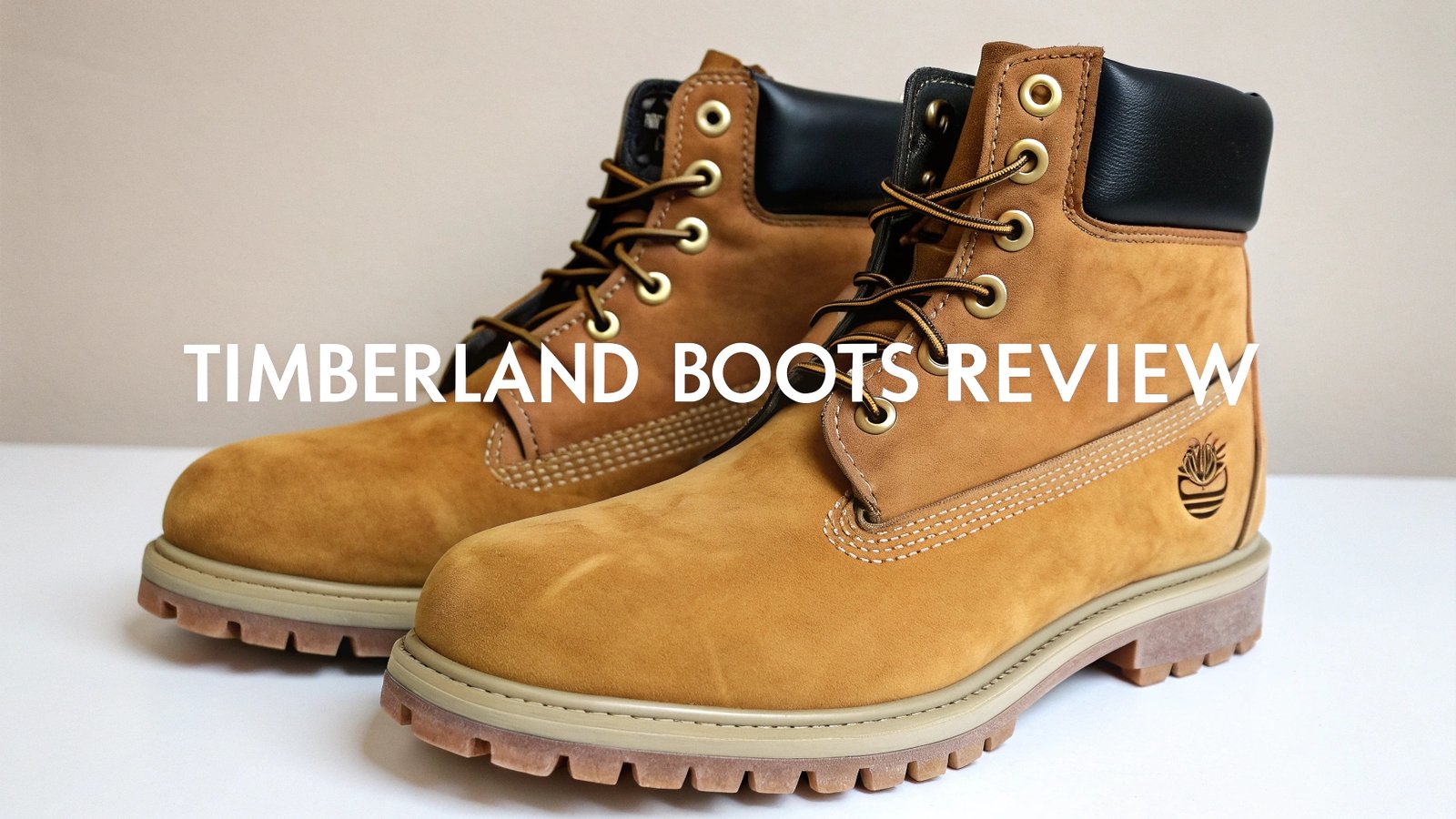
Timberland Boots Review: Are They Worth Your Money?
Timberland boots have become an icon in the footwear industry, recognized worldwide for their distinctive appearance and reputation for durability.
Originally designed for New England construction workers who needed reliable footwear for harsh weather conditions, these boots have evolved into a fashion staple embraced by people from all walks of life.
The classic wheat-colored nubuck leather boot with its padded collar and rugged sole is immediately recognizable, making it one of the most enduring footwear designs in modern history.

Key Takeaways
- Timberland boots originated in 1973 when the company introduced the first guaranteed waterproof leather boot, becoming an instant classic in both workwear and fashion circles
- The Premium 6-Inch Waterproof Boot remains Timberland’s flagship model, featuring waterproof leather, seam-sealed construction, and 400g PrimaLoft insulation for warmth
- Timberland uses high-quality nubuck leather sourced from Silver or Gold rated tanneries certified by the Leather Working Group, ensuring better environmental practices
- The boots feature anti-fatigue technology with shock-absorbing midsoles and supportive footbeds designed to reduce foot fatigue during long wear
- Most Timberland boots require a break-in period of 1-2 weeks before reaching optimal comfort
- With proper care and maintenance, Premium Timberland boots can last 5-10 years even with regular use
- Timberland offers a PRO line specifically designed for industrial work environments with additional safety features like steel toes and slip-resistant outsoles
- The company has increased its sustainability efforts, using recycled materials in linings and incorporating environmentally responsible practices
- Timberland boots typically range from $150-$210 for the Premium styles, positioning them in the mid-to-high price range for casual boots
- Proper leather conditioning is essential to maintain the waterproofing and extend the life of the boots
- The iconic style has made Timberland boots a cultural phenomenon beyond their practical purposes, embraced by diverse communities worldwide
The History of Timberland Boots
The story of Timberland boots begins in the early 1950s when Nathan Swartz bought a half interest in the Abington Shoe Company in Massachusetts. In 1973, the company introduced what would become their signature product—the original yellow waterproof boot. This innovation was revolutionary as it used an injection-molding technique that fused the sole to the leather upper without stitching, creating a waterproof seal.
The company officially changed its name to Timberland in 1978, inspired by their most popular product. Throughout the 1980s and 1990s, the boots gained incredible popularity beyond their original workwear purpose. The iconic 6-inch boot became a fashion statement in urban communities, particularly in New York City, and was embraced by hip-hop culture.
What started as a functional work boot designed for New England construction workers became a global fashion phenomenon. The distinctive yellow nubuck leather and robust construction made Timberland boots instantly recognizable. Today, the company produces a wide range of footwear and apparel, but their original waterproof boot remains their most iconic product, virtually unchanged in design for nearly five decades.
Timberland Boot Construction and Materials
Timberland boots are renowned for their sturdy construction and high-quality materials. The Premium 6-inch Waterproof Boot, their flagship model, features premium full-grain and nubuck leathers sourced from tanneries rated Silver or Gold by the Leather Working Group. This certification ensures the leather is produced using environmentally responsible practices.
The waterproofing system is what truly sets Timberland boots apart. They utilize a combination of waterproof leather and seam-sealed construction where all stitching is sealed with waterproof tape or adhesive. Most models also include a Gore-Tex or TimberDry membrane that prevents water penetration while allowing moisture to escape.
The soles are typically made from durable rubber with deep lugs for excellent traction on various surfaces. The Premium style features a thicker and heavier sole that incorporates multiple materials to provide greater support and comfort compared to the Original boot, which has a thinner sole primarily made of rubber.
Inside the boot, you’ll find 400 grams of PrimaLoft insulation (90% recycled) that keeps feet warm without excessive bulk. The collar and tongue are padded for comfort, and many models feature anti-fatigue technology with shock-absorbing midsoles and supportive footbeds designed to reduce foot fatigue during long periods of wear.

Last update on 2026-06-07 / Affiliate links / Images from Amazon Product Advertising API Some of the links on this website are affiliate links, which means that at no additional cost to you, I earn a commission if you click through and make a purchase. I only recommend products and services that I believe will add value to my readers. Thank you for your support!
Comfort and Fit of Timberland Boots
When it comes to comfort, Timberland boots have a mixed reputation. Initially, they can feel quite stiff and require a significant break-in period. Most owners report that it takes 1-2 weeks of regular wear before the boots begin to mold to their feet and feel truly comfortable.
The Premium 6-inch boot features a padded collar that helps prevent chafing around the ankle and provides additional support. The footbed includes anti-fatigue technology with a geometric cone support system that absorbs shock and returns energy to the foot with each step.
In terms of fit, Timberland boots typically run true to size but tend to be quite wide. People with narrow feet may need to size down by half a size or wear thick socks. Many wearers report that the boots feel heavy initially, with each boot weighing approximately 2 pounds, but they become accustomed to the weight over time.
For all-day comfort, the Premium and PRO lines perform better than the basic models due to their enhanced cushioning and support systems. Those who need to stand or walk for extended periods often praise the supportive nature of the boots once properly broken in.
Durability and Longevity
Timberland boots are built to last, with many users reporting 5-10 years of regular use before needing replacement. The Premium 6-inch Waterproof Boot is particularly known for its longevity when properly maintained.
The triple stitching at stress points, robust leather upper, and durable rubber outsole all contribute to the boot’s exceptional durability. The waterproof leather is inherently resistant to scuffs and scratches, while the sealed seams prevent water damage to the boot’s interior.
The most common wear points are the outsoles and heel areas, which can eventually wear down with regular use. However, Timberland boots can be resoled by a professional cobbler, extending their lifespan considerably. This repairability is an important factor in their overall value.
Environmental conditions significantly impact longevity. Exposure to extreme temperatures, salt, and chemicals can accelerate leather deterioration. However, with proper care including regular cleaning, conditioning, and appropriate storage, these boots can remain functional and attractive for many years.
Waterproofing Performance
Timberland’s waterproofing is one of the brand’s strongest selling points. The Premium 6-inch boots feature waterproof leather that has been treated during the tanning process to repel moisture. Additionally, all seams are sealed with waterproof materials to prevent leakage at stitching points.
In moderate rain and wet conditions, Timberland boots perform exceptionally well. Users consistently report that their feet stay completely dry during regular rainy day activities. The boots also perform admirably in snow, with the insulation providing warmth while the waterproof construction keeps moisture out.
However, there are limitations. The boots are not designed for extended submersion in water, and the waterproof qualities can diminish over time without proper maintenance. Regular application of waterproofing sprays or waxes is essential to maintain the water-resistant properties.
The Timberland PRO line offers even more robust waterproofing for professional environments, using Gore-Tex membranes or Timberland’s proprietary TimberDry eco-conscious waterproof technology, which is made from 50% recycled plastic.
Style and Versatility
The iconic look of Timberland boots has transcended their work boot origins to become a fashion statement worldwide. The classic wheat nubuck 6-inch boot with contrasting dark brown outsole is instantly recognizable and has been embraced by diverse fashion communities.
These boots offer remarkable versatility in styling options. They can be worn with jeans and casual wear for an everyday rugged look, paired with chinos for a smart-casual appearance, or even contrasted with more formal attire for a modern urban style. The contrast between the rugged boots and refined clothing has become a popular fashion statement.
Timberland offers various colorways beyond the classic wheat, including black, brown, olive, and rust options. Limited edition collaborations with fashion designers and brands have further expanded the style options available.
The boots’ silhouette has remained largely unchanged since the 1970s, giving them a timeless quality that resists passing trends. This consistent design has contributed to their status as a wardrobe staple rather than a seasonal fashion item.
Maintenance and Care
Proper maintenance is essential to maximize the lifespan and performance of Timberland boots. Regular care not only preserves their appearance but also maintains their waterproof properties and structural integrity.
For basic cleaning, Timberland recommends using a soft brush to remove surface dirt and debris. For deeper cleaning, a mild soap solution can be used, followed by thorough rinsing and air drying away from direct heat sources. Never machine wash or dry Timberland boots, as this can damage the leather and adhesives.
Conditioning the leather is crucial to prevent drying and cracking. Timberland offers its own leather conditioner specifically formulated for nubuck and full-grain leather. Apply conditioner every few months or whenever the leather appears dry.
The waterproof properties should be reinforced regularly with a silicone-based waterproofing spray or wax. This is particularly important after deep cleaning or during seasons of heavy precipitation.
When not in use, store boots in a cool, dry place away from direct sunlight. Using cedar shoe trees can help maintain the shape and absorb moisture. For long-term storage, clean and condition the boots thoroughly before putting them away.
Timberland Premium vs. Timberland PRO Line
Timberland offers two distinct lines of boots: the Premium line for casual and fashion wear, and the PRO line specifically designed for professional work environments. Understanding the differences helps in choosing the right boot for your needs.
The Premium line focuses on style, comfort, and everyday durability. These boots feature the iconic aesthetics Timberland is known for, with waterproof leather, padded collars, and PrimaLoft insulation. They’re ideal for casual wear, light outdoor activities, and fashion purposes.
The PRO line is engineered for industrial work environments with additional safety and performance features. These include safety toes (steel, composite, or alloy), electrical hazard protection, puncture-resistant plates, and advanced anti-fatigue technology. PRO boots often have more aggressive tread patterns for enhanced slip resistance on varied surfaces.
In terms of comfort, the PRO line typically offers more support for all-day wear with specialized suspension systems and contoured footbeds. They’re designed with input from workers in construction, manufacturing, and other demanding industries.
While Premium boots range from $150-$210, PRO boots usually cost $160-$250, reflecting their additional technical features. The investment in PRO boots is justified for those who need their protective qualities for daily work.
Sustainability and Ethical Practices
In recent years, Timberland has significantly increased its focus on sustainability and ethical manufacturing. The company has set ambitious goals to reduce its environmental impact while maintaining product quality.
Timberland now uses ReBOTL material, made from recycled plastic bottles, in many of their boot linings. The PrimaLoft insulation in their Premium boots contains 90% recycled content. They’ve also introduced styles made with regenerative leather from farms that use practices to improve soil health and biodiversity.
The company is working toward using 100% renewable energy at their facilities and aims to plant 50 million trees worldwide by 2026. Their leather is increasingly sourced from tanneries rated Silver or Gold by the Leather Working Group, which evaluates environmental compliance and performance.
Labor practices are another area of focus. Timberland publishes an annual responsibility report detailing factory conditions and worker treatment throughout their supply chain. They’ve implemented programs to improve working conditions and fair wages in manufacturing facilities.
While no major footwear brand has achieved perfect sustainability, Timberland’s efforts represent significant progress in the industry. Their “Earthkeepers” collection specifically highlights their most environmentally conscious designs.
Price Point and Value Analysis
Timberland boots represent a significant investment compared to many casual footwear options. The classic Premium 6-inch Waterproof Boot typically retails for around $198, though it’s often found on sale for $150-$170. The PRO line ranges from $160-$250 depending on the specific safety features included.
This positions Timberland in the mid-to-high price range for casual boots but at the lower end of the spectrum for work boots with comparable features. The question of value depends largely on how the boots will be used and what qualities matter most to the wearer.
For durability, Timberland boots offer excellent value when properly maintained. With a potential lifespan of 5-10 years of regular wear, the cost per wear can be quite reasonable compared to cheaper boots that may need replacement after a year or two.
The timeless style also adds value for those concerned with fashion longevity. Unlike trendy footwear that quickly looks dated, Timberland’s classic designs have remained relevant for decades.
Resale value is another consideration. Well-maintained Timberland boots, particularly limited editions or collaborations, can retain much of their value on the secondary market, which is unusual for used footwear.
Comparing Timberland to Competitors
When evaluating Timberland boots, it’s helpful to understand how they compare to similar offerings from competitors. This comparison focuses on quality, features, and value relative to other popular boot brands.
Dr. Martens offers similar iconic status and durability but with a distinctly different aesthetic. While both brands create long-lasting boots, Timberland generally provides superior waterproofing and insulation, making them better suited for harsh weather conditions. Dr. Martens typically run $20-40 less expensive than comparable Timberland models.
In the work boot category, Red Wing provides stronger competition with their heritage work boots. Red Wing boots often feature higher quality leather and are still largely made in the USA, but they come at a premium price point of $250-350. They require a longer break-in period but may ultimately develop a more personalized fit.
Caterpillar offers work boots at a lower price point ($100-150) with similar rugged aesthetics but generally less refined finishing and shorter expected lifespan. They provide good value for occasional wear but may not hold up as well to daily use.
For hiking and outdoor activities, brands like Merrell and Salomon offer more technical performance with lighter weight materials and specialized outsoles. While these boots excel in outdoor terrain, they lack the urban style versatility and typically don’t last as long as Timberlands.
Timberland Boots Sizing and Fit Guide
Finding the right size and fit is crucial for comfort and performance with any footwear, but particularly with boots that you may wear for extended periods. Timberland boots have some specific sizing characteristics worth understanding.
Most Timberland boots run true to size in length but tend to be relatively wide. People with narrow feet often find success sizing down by half a size, while those with wide feet typically find their standard size comfortable. The boots are designed to be worn with medium to thick socks, which should be considered when trying them on.
The Premium 6-inch boots feature a roomy toe box that allows for natural toe splay. The heel cup is designed to hold the foot securely without slipping, though some users report heel slippage initially until the boot breaks in.
For those between sizes, Timberland generally recommends sizing down rather than up, as the leather will stretch somewhat with wear. The boots should feel snug but not uncomfortable when new, with room to wiggle toes.
Different Timberland models have slightly different fits. The classic Premium 6-inch boot has a boxier, more generous fit, while some PRO models feature a more contoured fit for work environments. The company offers both regular and wide width options in many styles.
FAQs
How long do Timberland boots last?
With proper care and maintenance, Premium Timberland boots can last 5-10 years of regular wear.
Are Timberland boots really waterproof?
Yes, Timberland Premium and PRO boots are genuinely waterproof thanks to treated leather, sealed seams, and waterproof membranes.
Do Timberland boots need a break-in period?
Yes, most users report a 1-2 week break-in period before the boots feel truly comfortable.
How do I clean my Timberland boots?
Use a soft brush to remove dirt, mild soap for deeper cleaning, and apply conditioner afterward.
Are Timberland boots good for snow?
Yes, they perform well in snow with good insulation and traction, though extreme conditions may require specialized winter boots.
Why are Timberland boots so expensive?
The price reflects quality materials, durable construction, ethical sourcing practices, and brand reputation.
Can Timberland boots be resoled?
Yes, a professional cobbler can resole most Timberland boot models, extending their lifespan considerably.
What’s the difference between wheat and nubuck?
Wheat is the color, while nubuck refers to the type of leather that has been sanded for a soft, suede-like finish.
Are Timberland boots good for hiking?
They’re suitable for light trails and casual hiking but lack the technical features of specialized hiking boots.
Do Timberland boots stretch over time?
Yes, the leather will stretch slightly and mold to your feet with regular wear.

Hi i’m Mia Jenkins a fashion trend expert with a passion for self-expression, skincare, haircare and makeup. With a keen eye for style and a deep understanding of the latest trends and beauty products.


