

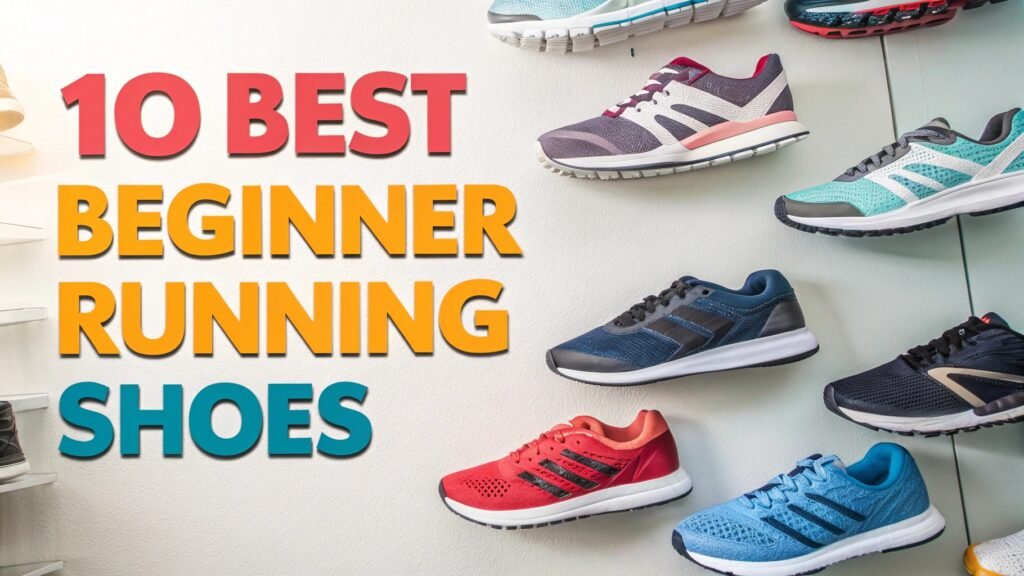
10 Best Beginner Running Shoes for New Runners
Starting your running journey can feel overwhelming, especially when choosing the right pair of running shoes.
The wrong choice might lead to discomfort, injury, or worse, abandoning your running goals altogether. Finding the perfect beginner running shoes requires understanding specific features that support new runners while providing comfort and durability.
This comprehensive guide explores the top 10 beginner running shoes that offer the perfect combination of comfort, support, and value.
Key Takeaways:
Before diving into our top picks, here are the essential features every beginner should look for in their first pair of running shoes:
- Adequate cushioning provides comfort and shock absorption for new runners who haven’t developed proper running form yet
- Heel drop of 8mm or higher offers a safer transition for beginners compared to minimal drop shoes
- Neutral platform works well for most new runners before determining specific gait patterns
- Durable construction ensures the shoes last through the learning phase while building mileage
- Proper fit with enough room in the toe box prevents blisters and allows for foot swelling during runs
- Versatile design handles various paces from easy jogs to slightly faster training runs
Nike Air Zoom Pegasus 41

Last update on 2026-06-07 / Affiliate links / Images from Amazon Product Advertising API Some of the links on this website are affiliate links, which means that at no additional cost to you, I earn a commission if you click through and make a purchase. I only recommend products and services that I believe will add value to my readers. Thank you for your support!
The Nike Air Zoom Pegasus 41 continues the legacy of one of the most trusted running shoes for beginners. This versatile trainer offers the perfect balance of comfort and performance that new runners need to build confidence.
The Pegasus 41 features Nike’s React foam midsole combined with Zoom Air units in the forefoot, creating a responsive yet comfortable ride. The 10mm heel drop provides excellent heel-to-toe transition, making it ideal for heel strikers who make up the majority of beginning runners.
Key features include a breathable mesh upper that keeps feet cool during longer runs, while the durable rubber outsole withstands high mileage training. The shoe’s moderate cushioning prevents over-reliance on the shoe’s support while still providing adequate protection.
New runners appreciate the Pegasus 41’s ability to handle various training types. Whether you’re doing easy recovery runs, building base mileage, or attempting your first tempo runs, this shoe adapts to different paces without compromising comfort.
Pros:
- Excellent durability for high mileage training
- Versatile design handles multiple training types
- Comfortable React foam provides good energy return
- Proven track record among beginner runners
Cons:
- May feel too firm for runners preferring maximum cushioning
- Higher price point compared to some beginner options
- Break-in period required for optimal comfort
Brooks Ghost 16

Last update on 2026-06-07 / Affiliate links / Images from Amazon Product Advertising API Some of the links on this website are affiliate links, which means that at no additional cost to you, I earn a commission if you click through and make a purchase. I only recommend products and services that I believe will add value to my readers. Thank you for your support!
The Brooks Ghost 16 stands out as one of the most recommended beginner running shoes, earning praise from runners and experts alike. This neutral daily trainer provides everything new runners need without unnecessary complexity.
Brooks’ DNA LOFT v2 midsole delivers soft, smooth cushioning that absorbs impact while maintaining responsiveness. The 12mm heel drop offers excellent support for heel strikers, while the segmented crash pad ensures smooth heel-to-toe transitions regardless of how your foot lands.
The Ghost 16’s 3D Fit Print upper provides structure without bulk, creating a comfortable fit that accommodates various foot shapes. The engineered mesh promotes airflow, keeping feet dry during longer training sessions.
What sets the Ghost 16 apart for beginners is its predictable, stable ride. The shoe doesn’t introduce any aggressive rocker or unstable elements that might throw off a new runner’s natural stride. Instead, it provides a trustworthy platform that lets beginners focus on building endurance and proper form.
Pros:
- Exceptionally comfortable for long runs
- Durable construction lasts 400+ miles
- Smooth, predictable ride suitable for all paces
- Excellent heel-to-toe transition
Cons:
- Slightly heavier than some competitors
- Conservative design may lack excitement for some runners
- Higher price point in the premium category
ASICS GEL-Nimbus 26

Last update on 2026-06-07 / Affiliate links / Images from Amazon Product Advertising API Some of the links on this website are affiliate links, which means that at no additional cost to you, I earn a commission if you click through and make a purchase. I only recommend products and services that I believe will add value to my readers. Thank you for your support!
The ASICS GEL-Nimbus 26 represents the pinnacle of maximum cushioning for beginner runners who prioritize comfort above all else. This premium trainer offers cloud-like comfort that makes every step feel effortless.
ASICS has equipped the Nimbus 26 with their latest FF BLAST PLUS ECO foam, which provides exceptional bounce and energy return. The GEL technology in both heel and forefoot adds another layer of impact absorption, making this shoe ideal for heavier runners or those prone to joint discomfort.
The engineered knit upper adapts to foot movement while maintaining a secure fit. The 13mm heel drop accommodates natural heel striking patterns, while the AHARPLUS outsole ensures durability even with daily training.
Beginning runners who choose the Nimbus 26 often report feeling like they could run forever. The shoe’s plush cushioning reduces fatigue, allowing new runners to focus on building endurance rather than managing discomfort.
Pros:
- Maximum cushioning ideal for joint protection
- Excellent energy return from FF BLAST PLUS foam
- Durable construction withstands high mileage
- Comfortable fit accommodates various foot shapes
Cons:
- Heavy weight may slow down faster paces
- High price point limits accessibility
- Thick cushioning may mask proprioception development
Saucony Ride 18

Last update on 2026-06-07 / Affiliate links / Images from Amazon Product Advertising API Some of the links on this website are affiliate links, which means that at no additional cost to you, I earn a commission if you click through and make a purchase. I only recommend products and services that I believe will add value to my readers. Thank you for your support!
The Saucony Ride 18 has earned recognition as one of the best value propositions in beginner running shoes. This reliable daily trainer offers premium features at a more accessible price point.
Saucony’s PWRRUN foam provides the perfect balance of cushioning and responsiveness. The 8mm heel drop offers comfortable heel-to-toe transition without being too aggressive, while the FORMFIT technology creates a personalized fit that adapts to individual foot shapes.
The Ride 18’s engineered mesh upper promotes breathability while maintaining durability. The XT-900 carbon rubber outsole delivers excellent traction and longevity, making this shoe an outstanding value for beginners building mileage.
What makes the Ride 18 special for new runners is its uncomplicated design. The shoe focuses on doing the basics exceptionally well rather than introducing complex technologies that might overwhelm beginners.
Pros:
- Excellent value for premium features
- Lightweight design reduces fatigue
- Versatile performance across different paces
- Durable construction lasts through training cycles
Cons:
- Less cushioning than maximum cushion alternatives
- May not provide enough support for severe overpronators
- Conservative styling may not appeal to all runners
New Balance Fresh Foam 1080v14
Last update on 2026-06-07 / Affiliate links / Images from Amazon Product Advertising API Some of the links on this website are affiliate links, which means that at no additional cost to you, I earn a commission if you click through and make a purchase. I only recommend products and services that I believe will add value to my readers. Thank you for your support!
The New Balance Fresh Foam 1080v14 delivers maximum cushioning with a surprisingly lightweight feel. This premium trainer caters to beginner runners who want the ultimate in comfort without sacrificing performance.
New Balance’s Fresh Foam X midsole provides plush cushioning that maintains its properties throughout the shoe’s lifespan. The 6mm heel drop offers a more natural feeling stride while still providing adequate heel support for new runners.
The Hypoknit upper creates a sock-like fit that eliminates pressure points and hot spots. The blown rubber outsole delivers excellent durability while maintaining flexibility for natural foot movement.
Beginner runners often choose the 1080v14 for its ability to make long runs feel effortless. The shoe’s maximum cushioning reduces impact stress, allowing new runners to build mileage safely while their bodies adapt to running.
Pros:
- Maximum cushioning reduces impact stress
- Lightweight despite high stack height
- Excellent fit accommodates various foot shapes
- Smooth ride suitable for all training paces
Cons:
- Premium pricing limits accessibility
- Thick cushioning may reduce ground feel
- May encourage overstriding in some runners
HOKA Clifton 9
Last update on 2026-06-07 / Affiliate links / Images from Amazon Product Advertising API Some of the links on this website are affiliate links, which means that at no additional cost to you, I earn a commission if you click through and make a purchase. I only recommend products and services that I believe will add value to my readers. Thank you for your support!
The HOKA Clifton 9 revolutionizes what beginner runners expect from lightweight cushioning. This maximalist shoe proves that comfort doesn’t have to come with weight penalties.
HOKA’s compression-molded EVA midsole delivers exceptional cushioning while maintaining surprising lightness. The early-stage Meta-Rocker promotes efficient heel-to-toe transitions, helping beginners develop proper running mechanics naturally.
The engineered knit upper provides breathable comfort while the Durabrasion rubber outsole ensures longevity in high-wear areas. The 5mm heel drop encourages a more natural midfoot landing while still accommodating heel strikers.
Beginning runners appreciate the Clifton 9’s ability to make running feel easier. The shoe’s maximum cushioning reduces perceived effort, allowing new runners to enjoy longer distances without excessive fatigue.
Pros:
- Exceptional cushioning-to-weight ratio
- Meta-Rocker promotes efficient running form
- Comfortable upper eliminates pressure points
- Versatile design handles various training types
Cons:
- Lower heel drop may require adjustment period
- Premium pricing in the high-end category
- Wide platform may feel unstable for some runners
Adidas Supernova 3
Last update on 2026-06-07 / Affiliate links / Images from Amazon Product Advertising API Some of the links on this website are affiliate links, which means that at no additional cost to you, I earn a commission if you click through and make a purchase. I only recommend products and services that I believe will add value to my readers. Thank you for your support!
The Adidas Supernova 3 brings European engineering to beginner running with a focus on comfort and adaptability. This daily trainer offers excellent value with premium features typically found in higher-priced shoes.
Adidas Bounce midsole technology provides responsive cushioning that adapts to different running speeds. The 10mm heel drop offers comfortable heel support while the Cloudfoam collar adds extra comfort around the ankle area.
The engineered mesh upper promotes airflow while maintaining structural support. The Adiwear outsole delivers durability in key wear areas, ensuring the shoe lasts through extensive training cycles.
New runners choose the Supernova 3 for its European fit characteristics that often work well for runners with narrower feet. The shoe’s moderate cushioning provides protection without overwhelming ground feel.
Pros:
- Excellent value proposition for premium features
- Responsive Bounce cushioning adapts to pace changes
- Durable construction withstands high mileage
- European fit works well for narrow feet
Cons:
- May run narrow for runners with wide feet
- Less cushioning than maximum cushion alternatives
- Limited color options compared to competitors
Mizuno Wave Rider 27
Last update on 2026-06-07 / Affiliate links / Images from Amazon Product Advertising API Some of the links on this website are affiliate links, which means that at no additional cost to you, I earn a commission if you click through and make a purchase. I only recommend products and services that I believe will add value to my readers. Thank you for your support!
The Mizuno Wave Rider 27 brings Japanese precision engineering to beginner running shoes. This traditional trainer focuses on natural running mechanics while providing necessary support for new runners.
Mizuno’s Wave Plate technology delivers unique cushioning that maintains stability throughout the gait cycle. The ENERZY foam provides responsive cushioning while the 12mm heel drop accommodates natural heel striking patterns.
The AIRmesh upper promotes exceptional breathability while maintaining a secure fit. The X10 carbon rubber outsole ensures durability in high-wear areas, making this shoe an excellent long-term investment.
Beginning runners who choose the Wave Rider 27 often appreciate its firm, responsive ride that encourages proper running form development. The shoe provides feedback without being harsh, helping new runners develop natural mechanics.
Pros:
- Wave Plate technology provides unique stability
- Responsive ride encourages proper form development
- Excellent durability for long-term use
- Breathable upper keeps feet comfortable
Cons:
- Firmer ride may not suit runners preferring soft cushioning
- Traditional styling may not appeal to all runners
- Limited availability compared to major competitors
ON Cloudstratus 3
Last update on 2026-06-07 / Affiliate links / Images from Amazon Product Advertising API Some of the links on this website are affiliate links, which means that at no additional cost to you, I earn a commission if you click through and make a purchase. I only recommend products and services that I believe will add value to my readers. Thank you for your support!
The ON Cloudstratus 3 introduces Swiss innovation to beginner running with its distinctive CloudTec cushioning system. This unique trainer offers maximum cushioning with a surprisingly responsive feel.
ON’s dual-layer CloudTec system provides exceptional impact absorption while maintaining energy return. The Speedboard technology promotes natural rolling motion while the 7mm heel drop encourages efficient running mechanics.
The engineered mesh upper offers excellent breathability while the CloudTec outsole delivers reliable traction on various surfaces. The shoe’s distinctive appearance makes it stand out from traditional running shoe designs.
New runners choose the Cloudstratus 3 for its unique feel that combines maximum cushioning with responsive performance. The shoe’s innovative design often appeals to beginners looking for something different from conventional options.
Pros:
- Unique CloudTec system provides distinctive cushioning
- Dual-layer construction offers maximum comfort
- Responsive feel despite maximum cushioning
- Eye-catching design stands out from competitors
Cons:
- Higher price point limits accessibility
- Unique feel may require adjustment period
- Limited availability in some regions
Under Armour HOVR Infinite 5
Last update on 2026-06-07 / Affiliate links / Images from Amazon Product Advertising API Some of the links on this website are affiliate links, which means that at no additional cost to you, I earn a commission if you click through and make a purchase. I only recommend products and services that I believe will add value to my readers. Thank you for your support!
The Under Armour HOVR Infinite 5 combines modern technology with beginner-friendly features. This daily trainer offers excellent value with smart connectivity features that appeal to tech-savvy new runners.
Under Armour’s HOVR foam provides excellent energy return while maintaining durability. The 8mm heel drop offers comfortable heel support while the compression mesh Energy Web contains and shapes the midsole for consistent performance.
The engineered spacer upper promotes breathability while providing structured support. The blown rubber outsole delivers reliable traction while the MapMyRun integration tracks running metrics without requiring additional devices.
Beginning runners appreciate the HOVR Infinite 5’s connected features that help track progress without needing separate fitness devices. The shoe’s moderate cushioning provides protection while maintaining ground connection.
Pros:
- Built-in connectivity tracks running metrics
- HOVR foam provides excellent energy return
- Moderate cushioning suits various preferences
- Competitive pricing for premium features
Cons:
- Connected features require compatible smartphone
- Moderate cushioning may not suit maximum comfort seekers
- Limited brand presence in specialty running stores
What to Look for When Buying Your First Running Shoes
Choosing the right beginner running shoes involves understanding several key factors that affect comfort, performance, and injury prevention. The most important consideration is proper fit. Running shoes should provide about a thumb’s width of space between your longest toe and the shoe’s front, allowing for foot swelling during longer runs.
Cushioning level depends on personal preference and running style. Heavier runners or those prone to joint pain typically benefit from maximum cushioning shoes like the ASICS Nimbus 26 or HOKA Clifton 9. Lighter runners or those preferring ground feel might choose moderate cushioning options like the Saucony Ride 18.
Heel drop significantly affects running mechanics. Most beginners benefit from heel drops between 8-12mm, which accommodate natural heel striking patterns while encouraging gradual form development. Lower drops require more calf strength and Achilles flexibility that new runners may not yet possess.
Durability becomes crucial for beginners who may run more frequently as they build fitness. Shoes with reinforced outsoles and quality midsole materials like the Brooks Ghost 16 or Nike Pegasus 41 provide better long-term value.
Price considerations should balance quality with budget constraints. While premium shoes offer advanced features, excellent beginner options exist across all price ranges. The key is finding shoes that meet your specific needs rather than simply choosing the most expensive option.
Common Mistakes Beginners Make When Choosing Running Shoes
Many new runners make critical errors when selecting their first pair of running shoes. The most common mistake is buying shoes based on appearance rather than fit and function. While attractive designs matter, comfort and proper fit should always take priority over aesthetics.
Choosing the wrong size ranks as another frequent error. Many runners wear shoes that are too small, leading to black toenails, blisters, and discomfort. Always get professionally fitted and consider that running shoe sizes often differ from casual shoe sizes.
Ignoring foot type and gait pattern can lead to inappropriate shoe selection. While most beginners benefit from neutral shoes, some may need stability features. Consider getting a basic gait analysis at a specialty running store to understand your needs.
Buying shoes too early in the day results in poor fit. Feet swell throughout the day, so shopping for running shoes in the afternoon or evening provides a more accurate fit for actual running conditions.
Replacing shoes too frequently or infrequently wastes money or increases injury risk. Most running shoes last 300-500 miles, depending on running style, body weight, and surface conditions. Track your mileage and replace shoes when cushioning degrades or wear patterns become excessive.
How to Properly Fit Running Shoes
Proper fitting ensures maximum comfort and performance from your running shoes. Start by measuring both feet, as most people have slight size differences. Always fit shoes to your larger foot to prevent cramping and discomfort.
Try on shoes later in the day when feet are naturally swollen, mimicking conditions during actual runs. This timing ensures adequate space for foot expansion during longer training sessions.
Wear appropriate socks during fitting. Thin, moisture-wicking running socks differ significantly from thick cotton socks, affecting overall fit and comfort. Bring the socks you plan to wear during actual runs.
Test the fit thoroughly by walking or jogging in place if the store allows. Check for heel slippage, toe cramping, and any pressure points that might cause blisters during longer runs.
Consider arch support needs and whether additional insoles might be necessary. Some runners benefit from custom orthotics or over-the-counter arch supports, which affect shoe fit and should be considered during the fitting process.
Breaking In Your New Running Shoes
Even the best-fitting running shoes require a proper break-in period to ensure optimal comfort and performance. Start with short, easy runs of 2-3 miles to allow your feet and the shoes to adapt gradually. This approach prevents blisters and discomfort while identifying any fit issues early.
Alternate between old and new shoes if possible during the transition period. This strategy allows continued training while gradually increasing time in new shoes, preventing disruption to your training schedule.
Pay attention to hot spots and pressure points during initial runs. Minor discomfort often resolves as shoes conform to your feet, but persistent pain indicates fit problems that require addressing before problems worsen.
Gradually increase distance and intensity in new shoes over 2-3 weeks. This timeline allows midsole materials to compress properly while your feet adapt to any differences in cushioning or support compared to previous shoes.
Consider preventive measures like blister prevention tape or different lacing techniques if minor issues arise. Many fit problems can be resolved through simple adjustments rather than shoe replacement.
When to Replace Your Running Shoes
Knowing when to replace running shoes prevents injury and maintains optimal performance. Track your mileage using a running log or smartphone app, as most shoes lose cushioning effectiveness between 300-500 miles depending on runner weight, gait pattern, and running surfaces.
Monitor visible wear patterns on the outsole. Excessive wear in specific areas indicates the shoe is breaking down and may be affecting your gait mechanics. Smooth or worn outsole areas also reduce traction, especially in wet conditions.
Check midsole compression by pressing on various areas of the sole. If the foam doesn’t spring back quickly or feels significantly compressed compared to when new, cushioning effectiveness has diminished substantially.
Listen to your body for signs that shoes are worn out. Increased joint soreness, muscle fatigue, or minor aches that develop gradually often indicate diminished shoe performance before visible wear becomes apparent.
Rotate multiple pairs if possible to extend overall shoe life. Alternating between two pairs allows midsole materials to recover between runs, potentially extending total mileage and providing backup options when one pair needs replacement.
Budget-Friendly Options for Beginner Runners
Quality running shoes don’t always require premium pricing. Several excellent options provide necessary features for beginning runners without breaking the budget. Previous model years of popular shoes often offer significant savings while maintaining the same basic technologies.
Look for sales and promotions at specialty running stores and online retailers. End-of-season sales, holiday promotions, and clearance events can reduce prices substantially on quality shoes.
Consider direct-to-consumer brands that eliminate retail markups. Many newer companies offer quality shoes at lower prices by selling directly to customers rather than through traditional retail channels.
Evaluate your actual needs versus premium features. Beginning runners may not benefit from advanced technologies like carbon plates or specialized racing features, making mid-level options more appropriate and affordable.
Factor in long-term value when comparing prices. A slightly more expensive shoe that lasts longer may provide better value than a cheaper option that wears out quickly or causes discomfort.
Frequently Asked Questions
How much should I spend on my first pair of running shoes?
Expect to spend between $80-150 for quality beginner running shoes. While premium options cost more, excellent shoes exist in this price range that provide all necessary features for new runners. Focus on fit and comfort rather than simply choosing the most expensive option.
Do I need different shoes for different types of running?
Most beginners can use one pair of running shoes for all training types. As you advance and increase mileage, you might consider specialized shoes for different purposes, but a good daily trainer handles easy runs, long runs, and moderate pace work effectively.
How do I know if I need stability or motion control shoes?
Most beginners benefit from neutral shoes unless you have obvious overpronation or previous injury history. If you experience persistent pain or discomfort, consult with a specialty running store for gait analysis or consider seeing a sports medicine professional.
Should I buy running shoes online or in a store?
First-time running shoe buyers benefit from in-store fitting and professional guidance. Once you know your preferred brands and sizes, online shopping can offer better prices and selection. Always ensure good return policies when buying online.
How often should I replace my running shoes?
Replace running shoes every 300-500 miles, depending on your running style, body weight, and running surfaces. Track your mileage and monitor the shoes for visible wear, compressed cushioning, or increased discomfort during runs.
Can I use my running shoes for other activities?
While running shoes can handle some cross-training activities, using them exclusively for running extends their lifespan and maintains optimal performance. Different activities place different stresses on shoes, potentially affecting their running-specific properties.

Hi i’m Mia Jenkins a fashion trend expert with a passion for self-expression, skincare, haircare and makeup. With a keen eye for style and a deep understanding of the latest trends and beauty products.


