

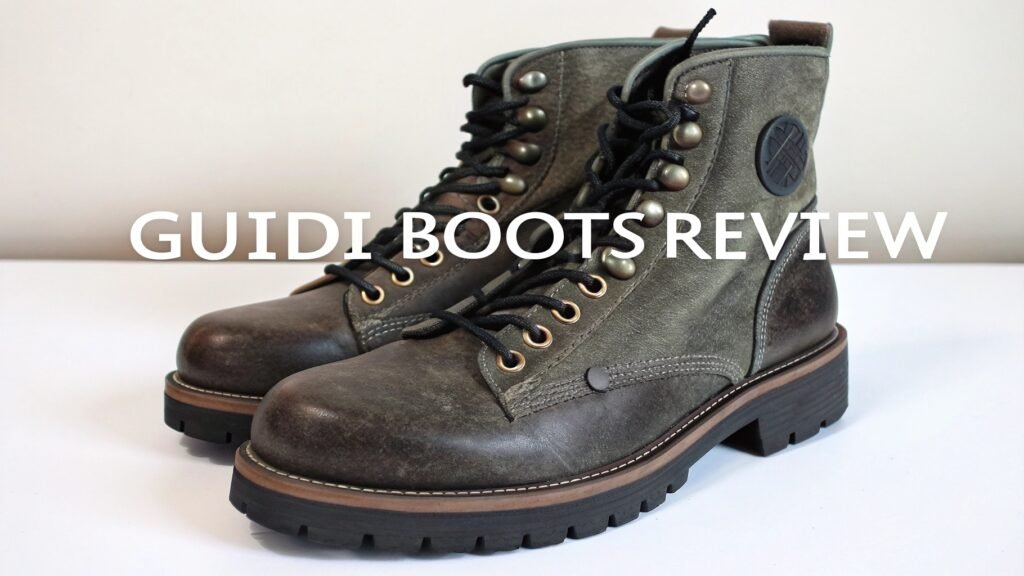
Guidi Boots Review: A Complete Guide to Luxury Italian Footwear
Are you searching for boots that combine exceptional craftsmanship with avant-garde design?
Guidi boots represent the pinnacle of luxury footwear, blending centuries-old Italian leatherworking traditions with contemporary style.
In this comprehensive review, I’ll explore everything you need to know about these remarkable boots, from their storied history to practical considerations for purchase and care.
The Rich Heritage of Guidi Boots
Guidi’s story begins in 1896 when Guido Guidi founded the Conceria Guidi Rosellini tannery in Tuscany, Italy. This region has a leather tanning tradition dating back to the Middle Ages, with guilds of tanners and shoemakers established since the 14th century. Today, the company remains family-owned and is operated by Ruggero Guidi, a direct descendant of the founder.
What started as a tannery supplying leather to high-fashion houses like Prada, Maison Margiela, and Rick Owens evolved into its own footwear brand. The company launched a dedicated showroom in 2007, initially focusing on men’s boots and derbies in various leather types and finishes. Guidi’s commitment to traditional craftsmanship combined with innovative techniques has earned them a devoted following among fashion enthusiasts and collectors worldwide.
The brand’s philosophy centers on respecting leather as a living material and employing time-honored techniques that allow each piece to develop a unique character. This dedication to quality and authenticity sets Guidi apart in an industry often dominated by mass production and synthetic materials.
What Makes Guidi Boots Special: Materials and Construction
The exceptional quality of Guidi boots begins with their materials. The company sources the finest leathers, with horse leather being one of their signature choices. This particular leather has a smooth surface with minimal grain and wrinkles, giving it a clean, powerful appearance. Other materials used include calf leather, kangaroo leather, and various specialized finishes.
Guidi’s construction methods are equally impressive. Most models feature Goodyear welt construction, a traditional technique where the upper is joined to the sole via an additional strip of material (the welt) using specialized stitching. This method offers several advantages:
- Enhanced durability that allows the boots to last for decades
- Easier resoling when the original sole wears out
- Superior water resistance compared to many other construction methods
- Improved structural integrity that helps the boots hold their shape over time
Another distinctive aspect of Guidi’s production is their “object dyeing” technique. Unlike most footwear manufacturers who dye the leather before assembly, Guidi assembles the boots first and then dyes the entire finished product. This results in rich, nuanced coloration with subtle variations that make each pair truly one-of-a-kind.
The stacked leather heel is another hallmark feature that contributes to the distinctive silhouette of Guidi boots. These heels are built up from multiple layers of leather compressed and secured together, creating a subtle elevation that enhances both the aesthetic appeal and wearing comfort.

Last update on 2026-09-12 / Affiliate links / Images from Amazon Product Advertising API Some of the links on this website are affiliate links, which means that at no additional cost to you, I earn a commission if you click through and make a purchase. I only recommend products and services that I believe will add value to my readers. Thank you for your support!
Popular Guidi Boot Models
Guidi offers numerous boot models, each with its own distinctive characteristics. Here are some of the most sought-after designs:
The 788Z Back Zip Boots
The 788Z is one of Guidi’s most iconic styles, featuring a sleek silhouette with a back zip closure. Handcrafted from piece-dyed grained horse leather, these ankle-high boots showcase Guidi’s signature Goodyear welt construction and stacked leather heel. The minimalist design is complemented by subtle details like topstitching along the welt and antique brass hardware.
These boots are known for their buttery soft leather feel and exceptional comfort right out of the box. The leather develops a beautiful patina over time, becoming increasingly personalized to the wearer. The 788Z model pairs easily with both casual and more formal outfits, making it a versatile addition to any wardrobe.
The 310 Front Zip Army Boots
For those seeking a more robust silhouette, the 310 front zip army boots offer a commanding presence while maintaining Guidi’s artisanal quality. These calf-length boots feature a distinctive front zip closure and an exposed tongue at the collar, creating a unique visual interest.
The 310 model demonstrates Guidi’s ability to balance traditional craftsmanship with avant-garde design. Despite their substantial appearance, these boots remain surprisingly comfortable due to the supple leather and thoughtful construction. Many enthusiasts appreciate how the taller shaft provides both style and practical benefits in cooler weather.
The PL Series
The PL series represents another popular line in Guidi’s collection, available in three shaft heights (PL1, PL2, and PL3). These boots feature a one-piece leather construction similar to the 796 model but with a front zip closure. This design creates a clean, seamless look that highlights the quality of the leather.
PL boots exemplify Guidi’s minimalist aesthetic while providing exceptional comfort and durability. The front zip allows for easy on and off, while the sleek lines make these boots incredibly versatile for styling with various outfits.
The Distinctive Guidi Aesthetic
What makes Guidi boots immediately recognizable is their distinctive aesthetic that combines rustic elements with refined design. Unlike boots that aim for perfect symmetry and flawless surfaces, Guidi embraces the natural variations and character of their materials. This creates footwear with an organic, lived-in quality even when brand new.
The brand’s signature understated elegance comes from prioritizing quality materials and construction over flashy details or branding. Most Guidi boots feature minimal external markings, with the craftsmanship speaking for itself through the quality of the leather, precision of the stitching, and overall proportions.
Many fashion enthusiasts appreciate how Guidi boots develop character through wear, with the leather darkening in high-contact areas and developing a patina unique to each wearer’s gait and habits. This aging process is not seen as deterioration but rather as the boots becoming more personal and beautiful over time.
The color palette typically features rich, earthy tones like black, brown, bordeaux, and olive, though the brand occasionally offers more vibrant options. The dyeing process creates depth and subtle variations within each color, adding visual interest without being ostentatious.
Pricing and Value Proposition
Guidi boots represent a significant investment, with prices typically ranging from $1,000 to $1,700 depending on the model, materials, and retailer. While this places them firmly in the luxury category, many owners find the investment justified by several factors:
- Exceptional durability – With proper care, Guidi boots can last for decades, making the cost per wear quite reasonable over their lifespan.
- Timeless design – The minimalist aesthetic resists fashion trends, ensuring the boots remain stylish year after year.
- Artisanal craftsmanship – Each pair represents countless hours of skilled handwork by experienced artisans.
- Premium materials – The highest quality leathers available are used throughout construction.
- Resale value – Well-maintained Guidi boots often retain much of their value on the secondary market.
When considering the price, it’s worth noting that Guidi boots are priced comparably to other luxury footwear brands while offering superior materials and construction in many cases. The investment becomes more reasonable when viewed as acquiring an heirloom-quality item rather than a disposable fashion purchase.
Sizing and Fit Considerations
Finding the right size in Guidi boots requires some attention, as their sizing can differ from other footwear brands. Most Guidi boots run true to size or slightly large, but specific models may have their own sizing peculiarities. For example, the 310 model might feel tight across the instep due to the front zip design, while back-zip models like the 788Z provide more flexibility in this area.
Understanding Guidi’s European sizing is essential for a proper fit. Generally, customers should start with their regular European size, though some models might require sizing up or down depending on foot shape and intended sock thickness. Several factors affect the fit:
- Leather type – Horse leather tends to soften and conform more readily than some other varieties
- Boot style – Different models have distinct fits around the ankle, instep, and toe box
- Foot width – Those with wider feet may need to size up in certain models
- Intended use – Consider whether you’ll wear thick socks or prefer a closer fit
Many Guidi enthusiasts recommend trying on several sizes when possible, as the handcrafted nature of these boots means slight variations can occur even within the same model and size. If ordering online, purchasing from retailers with good return policies is advisable until you’re confident in your Guidi sizing.
Breaking In Your Guidi Boots
Unlike many high-end leather boots that require a lengthy break-in period, Guidi boots are often remarkably comfortable from the first wear. This immediate comfort stems from the supple quality of the leather used and the company’s object-dyeing process, which helps soften the leather during production.
However, Guidi boots still undergo a personalization process as they conform to your feet and develop their unique patina. The leather will mold to your foot shape over the first few wearings, becoming increasingly comfortable as it adapts to your specific contours.
To ease this process:
- Start with shorter wearing sessions before transitioning to all-day wear
- Use appropriate leather conditioner sparingly to keep the leather supple
- Allow the boots to rest between wears so the leather can recover its shape
- Use shoe trees when not wearing the boots to help maintain their structure
Many owners report that their Guidi boots achieve peak comfort after about 5-10 wears, though the leather continues to develop character indefinitely. The unique aging process is part of what makes these boots special, with each pair telling the story of its journeys.
Styling Guidi Boots: Versatility in Fashion
One of Guidi’s greatest strengths is their versatility in various style contexts. Despite their avant-garde origins, these boots can be integrated into many different wardrobes, from minimalist to experimental fashion enthusiasts.
For casual looks, Guidi boots pair excellently with:
- Raw denim jeans that stack slightly over the boot shaft
- Relaxed wool trousers for a sophisticated yet unfussy appearance
- Heavyweight tees or sweaters that balance the substantial presence of the boots
For more fashion-forward styling:
- Layer with drapey, asymmetrical garments from designers like Rick Owens or Yohji Yamamoto
- Mix textures by combining the boots with cashmere, linen, or technical fabrics
- Experiment with proportions using oversized tops or cropped pants
The understated nature of Guidi boots allows them to serve as either a focal point or a complementary element in an outfit. Their distinctive character adds depth to simpler ensembles, while their refined execution prevents them from overwhelming more complex looks.
Both men and women can wear most Guidi styles, with the brand’s aesthetic transcending traditional gender divisions. This versatility makes them particularly valuable for those who prefer investing in fewer, higher-quality pieces rather than constantly chasing trends.
Caring for Your Investment
Proper maintenance ensures your Guidi boots will last for decades while developing a beautiful patina. Unlike some luxury items that require delicate handling, Guidi boots are designed to be worn and enjoyed, though they do benefit from thoughtful care.
Essential care practices include:
- Regular cleaning with a soft brush to remove dust and debris
- Occasional conditioning with products suitable for vegetable-tanned leather
- Allowing sufficient drying time between wears, especially in wet conditions
- Storing in a cool, dry place away from direct sunlight
- Using quality shoe trees to maintain shape when not worn
Guidi specifically recommends avoiding harsh chemical cleaners, excessive conditioning, or attempts to waterproof their boots, as these can interfere with the natural aging process of the leather. Instead, embrace the evolving character of the boots as they develop a patina unique to your wearing patterns.
For minor scuffs and scratches, gentle buffing with a soft cloth is usually sufficient. More significant damage should be addressed by professionals experienced with high-quality leather footwear. Many dedicated Guidi owners develop a relationship with skilled cobblers who understand how to maintain these special boots.
Where to Purchase Authentic Guidi Boots
Finding genuine Guidi boots requires some caution, as their popularity has led to counterfeits in the marketplace. The most reliable sources include:
- Authorized luxury retailers like SSENSE, Farfetch, and END Clothing
- Specialized boutiques that focus on avant-garde fashion
- Guidi’s official stockists listed on their website
- Reputable secondhand platforms like Grailed (with careful authentication)
When purchasing, verify authenticity by checking:
- Quality of the leather and stitching
- Proper Guidi stamping on the insole
- YKK Excela zippers on zip models
- Overall construction quality
- Appropriate packaging and documentation
Be particularly wary of deals that seem too good to be true, as authentic Guidi boots rarely sell for dramatically discounted prices even on the secondary market. Their quality and lasting value tend to maintain consistent pricing.
The Sustainability Aspect of Guidi
In an era of increasing environmental consciousness, Guidi’s approach to production offers several sustainability advantages. Their vegetable tanning process uses natural tannins from tree bark and plant matter rather than the chrome tanning common in mass-market footwear. This traditional method is less environmentally harmful and produces biodegradable leather.
The durability of Guidi boots also contributes to sustainability by reducing the need for frequent replacements. A single pair of well-maintained Guidi boots might replace several pairs of lower-quality footwear over its lifetime, reducing overall consumption and waste.
Additionally, the Goodyear welt construction allows for resoling, extending the life of the boots indefinitely. This repairability stands in stark contrast to the disposable nature of much contemporary footwear.
The company’s small-batch production approach minimizes unsold inventory and associated waste. By creating limited quantities of high-quality items rather than mass-producing seasonal styles, Guidi operates with a model inherently more aligned with sustainable practices.
Comparing Guidi to Other Luxury Boot Makers
To fully appreciate Guidi’s place in the luxury footwear landscape, it’s helpful to consider how they compare to other renowned bootmakers:
Compared to traditional heritage brands like Alden or Crockett & Jones, Guidi offers a more avant-garde aesthetic while maintaining similar construction quality. The heritage brands typically present a more conservative, polished appearance, while Guidi embraces a more organic, lived-in look from the start.
Against fashion-forward designers like Rick Owens or Ann Demeulemeester, Guidi provides comparable design innovation but often with more emphasis on traditional craftsmanship and materials. Their boots tend to age more gracefully and can be more readily repaired than some fashion-house footwear.
When considering artisanal Japanese bootmakers like Hender Scheme, Guidi shares a similar reverence for natural materials and patina development but with distinctly Italian sensibilities in design and construction techniques.
What sets Guidi apart in all these comparisons is their unique combination of old-world craftsmanship, innovative finishing techniques, and distinctive aesthetic that defies easy categorization. Their boots occupy a special niche for those who appreciate quality construction without sacrificing design interest.
Is Guidi Worth the Investment?
After examining all aspects of Guidi boots, the question of whether they justify their premium price depends on individual priorities and circumstances. For those who value exceptional materials, artisanal craftsmanship, and distinctive design that transcends trends, Guidi represents a worthwhile investment.
The boots offer tangible benefits in comfort, durability, and versatility that extend beyond their aesthetic appeal. Many owners report that the daily pleasure of wearing such well-crafted footwear enhances their overall experience of getting dressed and moving through the world.
However, those searching primarily for practical footwear with maximum weather protection or specialized performance features might find other options more suitable. Guidi creates boots that balance functionality with artistic expression, which means certain practical compromises in service of their unique aesthetic.
Ultimately, the value proposition centers on acquiring an artisanal product that will develop character unique to its owner while providing years of service. For enthusiasts of quality craftsmanship and thoughtful design, Guidi boots offer a compelling combination of beauty, comfort, and longevity that few other brands can match.
Frequently Asked Questions
How can I tell if Guidi boots are authentic?
Check for the stamped Guidi lettering on the insole, examine the quality of stitching and leather, and verify the YKK Excela zippers on zip models. Authentic Guidi boots have distinctive color variations from the object-dyeing process and come with proper packaging.
What makes Guidi leather special?
Guidi uses vegetable-tanning processes with natural materials like tree bark and plant tannins instead of chrome chemicals. Their signature object-dyeing technique colors the fully assembled boot, creating unique color variations and exceptional softness.
How should I size Guidi boots?
Most Guidi boots run true to size or slightly large. Check specific model recommendations as some styles like the 310 may fit differently across the instep. When possible, try multiple sizes or purchase from retailers with good return policies.
Can Guidi boots be resoled?
Yes, most Guidi boots feature Goodyear welt construction that allows for resoling by experienced cobblers. This extends their lifespan considerably and is an important factor in their long-term value.
How do I care for Guidi leather?
Clean with a soft brush, condition sparingly with products suitable for vegetable-tanned leather, and allow sufficient drying time between wears. Use shoe trees when not wearing them and avoid harsh cleaning chemicals or excessive conditioning.
Are Guidi boots waterproof?
Guidi boots offer some water resistance due to their quality leather and construction, but they are not fully waterproof. Excessive exposure to water can affect the leather’s finish and potentially damage the boots.
Which Guidi boot model is most popular?
The 788Z back zip boot, the 310 front zip army boot, and various models from the PL series are among the most popular. Each has its own distinctive characteristics while maintaining Guidi’s signature quality and aesthetic.
How long do Guidi boots last?
With proper care, Guidi boots can last for decades. Their Goodyear welt construction allows for resoling, and the high-quality leather improves with age rather than deteriorating.

Hi i’m Mia Jenkins a fashion trend expert with a passion for self-expression, skincare, haircare and makeup. With a keen eye for style and a deep understanding of the latest trends and beauty products.


